
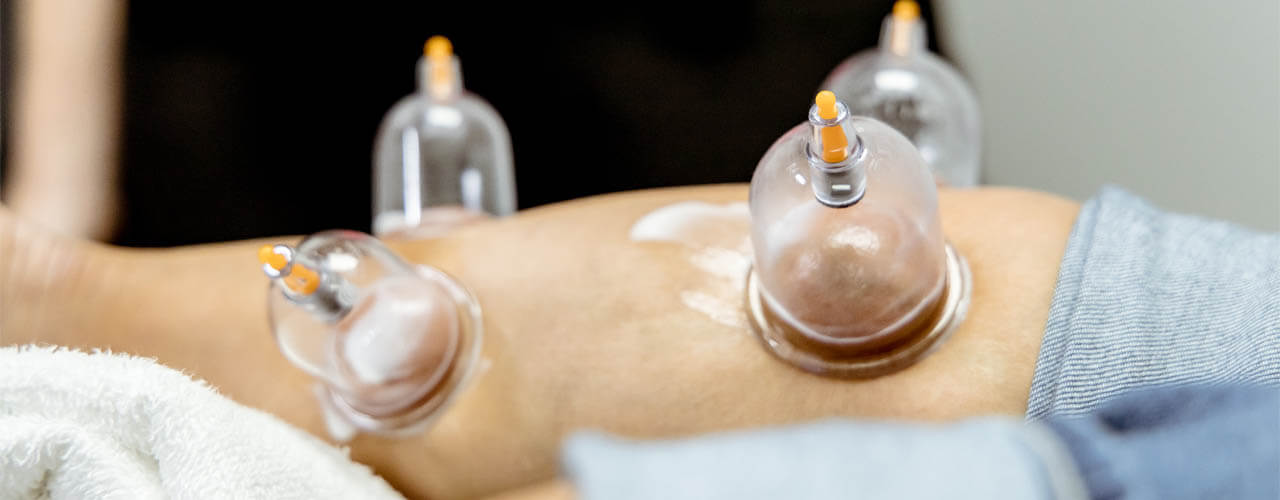
When chronic muscle tightness, fascial restrictions, or stubborn soft tissue pain aren’t responding the way you need them to, cupping therapy offers a clinically effective solution that works differently from any other technique in the physical therapy toolkit. At Fultz Physical Therapy & Joint Rehab, our therapists at our South Shreveport, North Shreveport, and South Bossier clinics use cupping as a strategic component of comprehensive, individualized treatment plans — not as a trendy add-on.
What Is Cupping Therapy?
Cupping therapy is a soft tissue technique in which specially designed cups are applied to the skin and used to create negative pressure — lifting the underlying tissue rather than compressing it. This decompressive effect is fundamentally different from traditional hands-on manual therapy, which works by applying downward pressure into the tissue. By lifting the tissue, cupping creates space within the fascial layers, promotes blood flow to areas of restriction, and helps release chronic muscular tension that compression-based techniques may not fully address.
Modern physical therapy cupping is a significant evolution from its traditional origins. The cups used in clinical practice are precise, controlled instruments — and the technique is guided by anatomical knowledge and clinical reasoning rather than generalized application.
What Cupping Treats
Cupping is particularly effective for:
- Myofascial pain and chronic muscular tension that hasn’t responded to other treatment
- Fascial restrictions limiting range of motion and movement quality
- Scar tissue and soft tissue adhesions following injury or surgery
- Trigger points contributing to referred pain patterns in the neck, back, shoulders, and hips
- Recovery acceleration in athletes with high training demands
What to Expect
Your physical therapist will assess your soft tissue quality and movement restrictions before determining whether cupping is appropriate for your condition. Cups may be applied statically to a specific area of restriction or moved along fascial lines while negative pressure is maintained — a technique known as dynamic or gliding cupping. Temporary skin discoloration following treatment is normal and reflects increased circulation in the treated area, not injury to the tissue.
Cupping is always integrated alongside your other treatments — manual therapy, therapeutic exercise, dry needling, and neuromuscular retraining — as part of a complete rehabilitation plan.
Get the Most Out of Your Recovery
If stubborn soft tissue restrictions are slowing your progress, cupping therapy may be exactly what your treatment plan needs. The team at Fultz Physical Therapy & Joint Rehab is ready to help, with locations in South Shreveport, North Shreveport, and South Bossier, LA serving patients throughout the Shreveport-Bossier area.
Contact us today to request your evaluation and find out if cupping therapy is right for you.
 Print Patient Forms
 Our Locations
 FAQ
FAQ Conditions We Treat